
PROFESSIONAL TERMITE INSPECTIONS BRISBANE
Protect your biggest investment with professional termite inspections completed in accordance with Australian Standards.


Protect Your Home Before Termites Cause Costly Damage
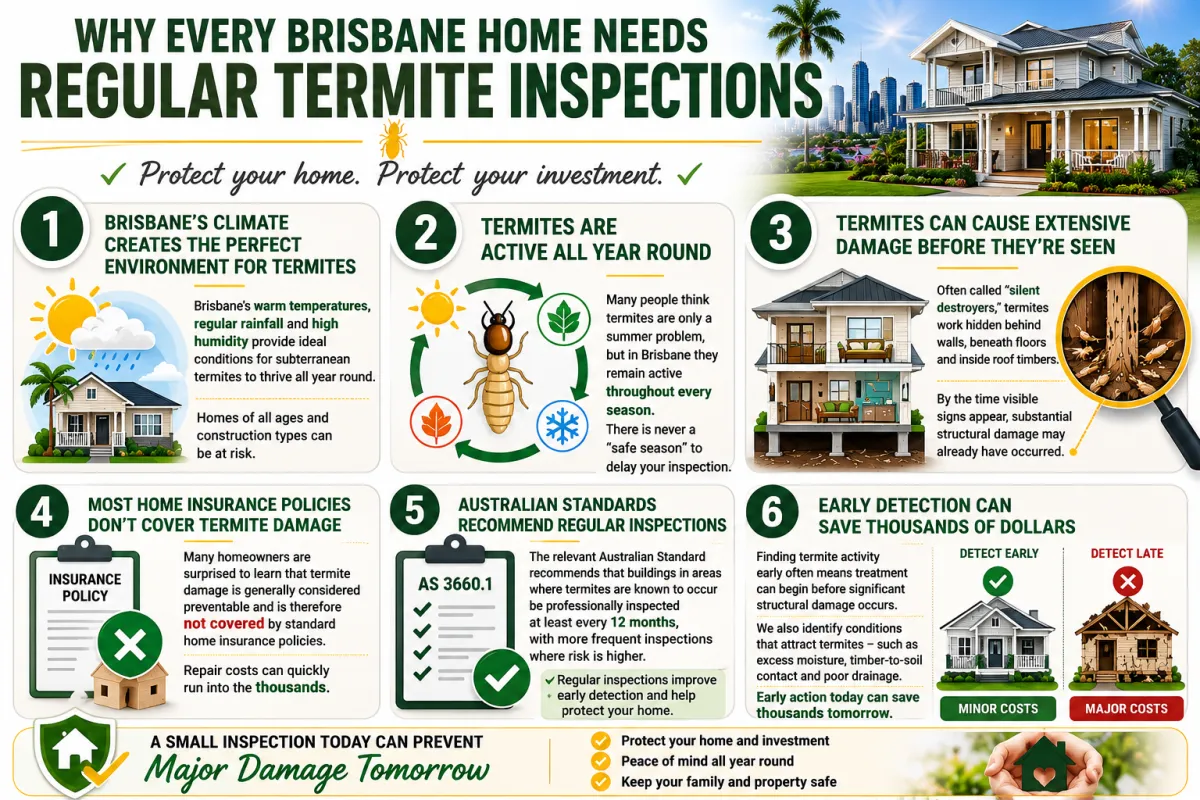
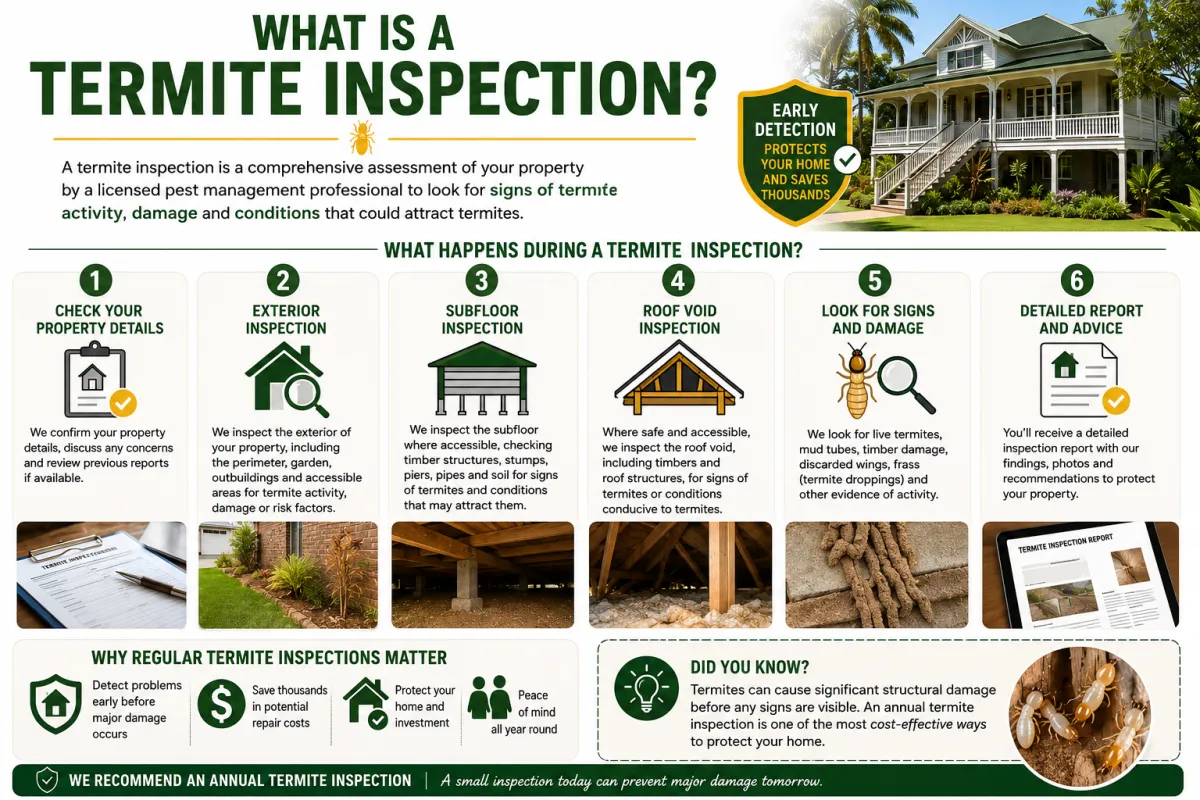
Termites are one of the most destructive pests affecting homes in South East Queensland. Often called "silent destroyers", they can remain hidden inside walls, floors and roof timbers for months or even years before damage becomes obvious.
At Booma Pest Control, we provide professional termite inspections and managment solutions by fully licenced and insured Timber Pest Management technicians for homes and businesses throughout Deagon, Sandgate, Brighton, Shorncliffe, Bracken Ridge, Brisbane Northside all areas of Brisbane. Whether you're due for your annual inspection, buying a property or concerned about signs of termite activity, our licensed inspectors will conduct a thorough assessment and provide clear, practical advice to help protect your property.
Our inspections are completed in accordance with the relevant Australian Standards and include a comprehensive written report outlining any evidence of termite activity, timber damage and conditions that may increase the risk of future infestations.
Book your professional termite inspection today and gain peace of mind knowing your property has been assessed by experienced timber pest professionals.
Interested in this service?
Contact Booma Pest Control today for a free professional termite inspection quote across Brisbane Northside and surrounding areas.
Unseen damage could cost you thousands.
Get a comprehensive, five-star rated inspection to protect your home.
Unseen damage could cost you thousands.
Get a comprehensive, five-star rated inspection to protect your home.
Common Risk Factors & Conditions Conducive to Termite Attack
Every home is different, but certain conditions can significantly increase the likelihood of termite activity. During every termite inspection, Booma Pest Control looks for environmental, structural and maintenance issues that may attract termites or allow them to enter your home unnoticed.
Identifying and addressing these conditions is an important part of reducing the risk of future termite infestations.
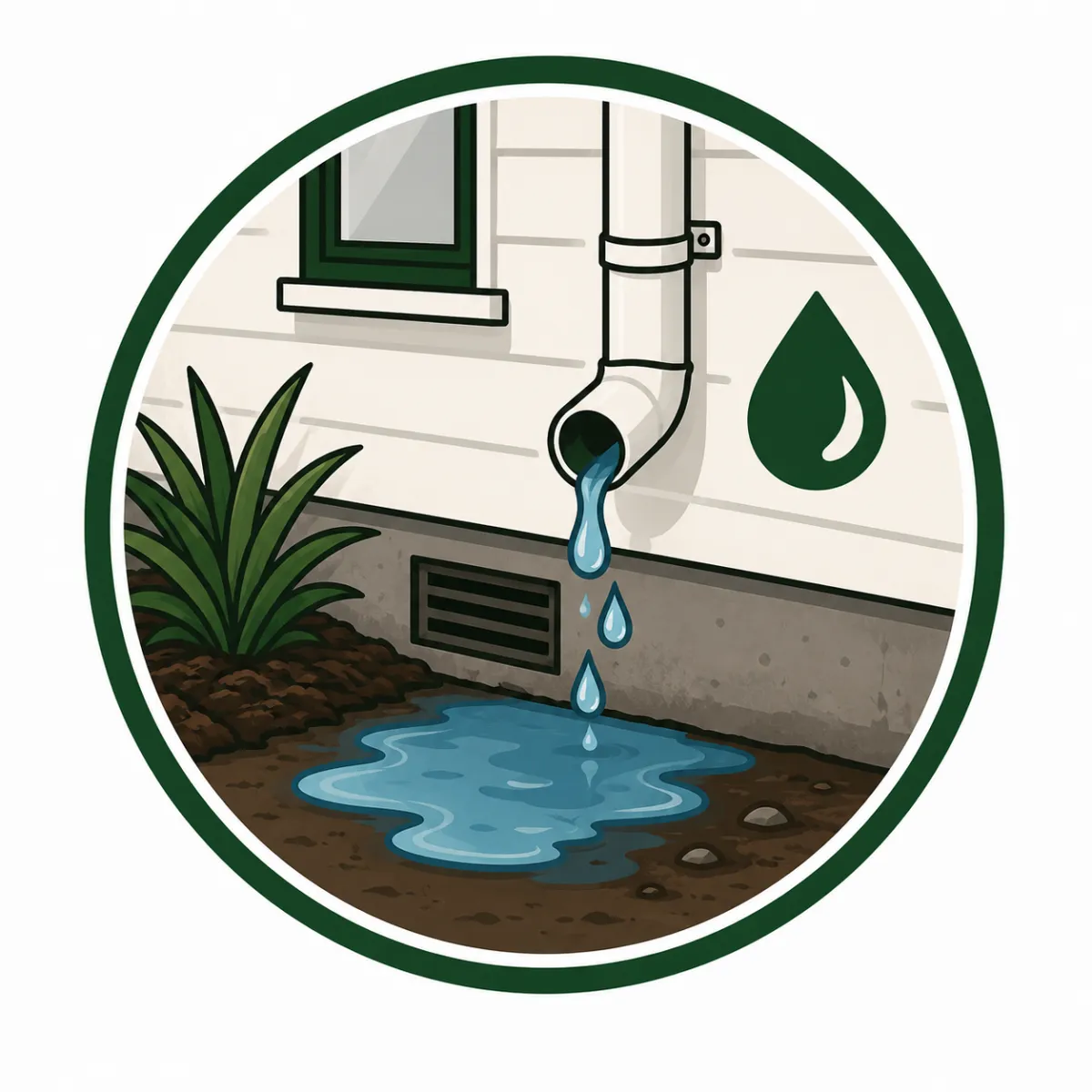
Excess Moisture
Leaking taps, hot water systems, showers, air conditioning overflows and poor drainage create damp conditions that termites are attracted to.
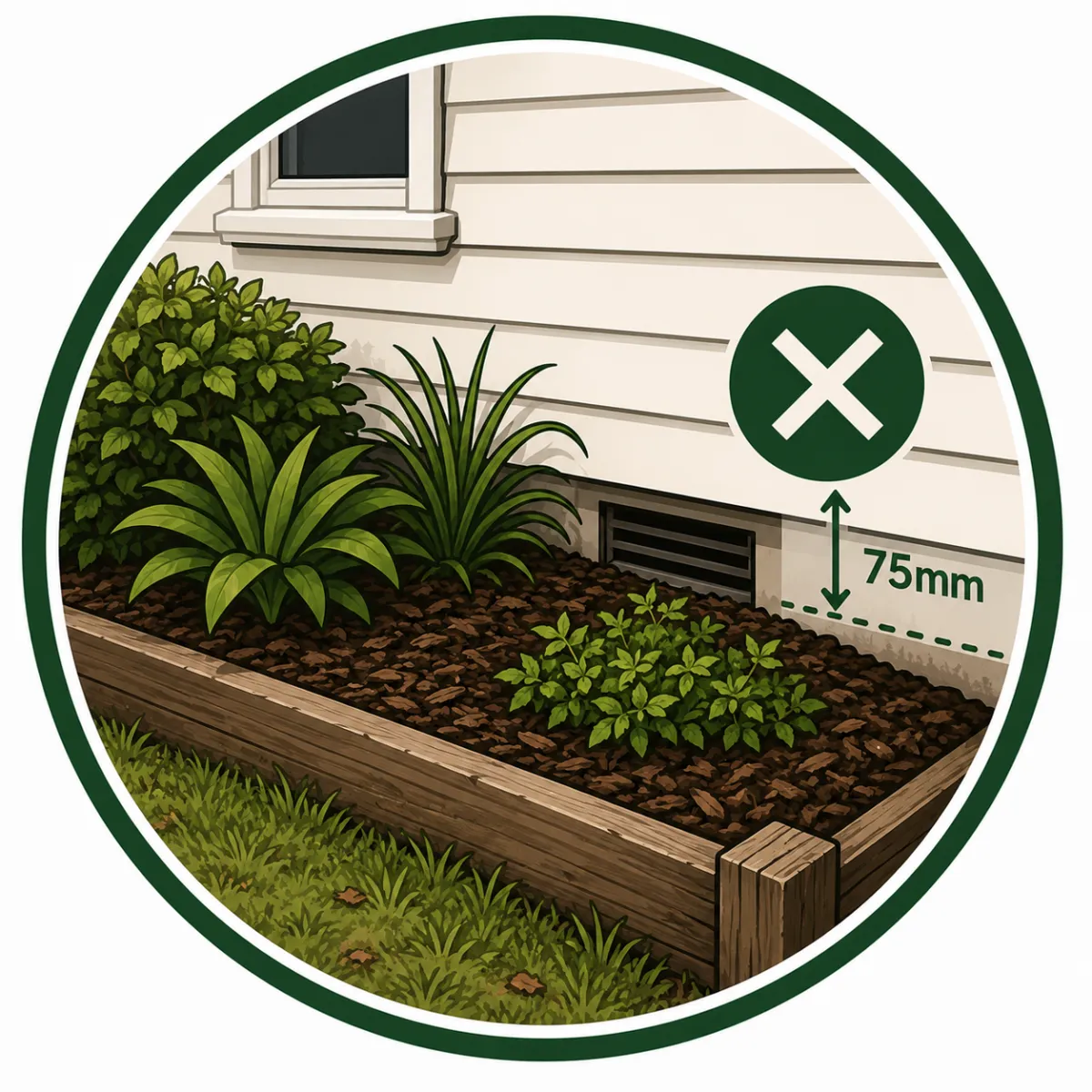
Garden Beds Against the House
Garden beds, mulch and soil built up against external walls can conceal termite activity and reduce important inspection zones around your home.
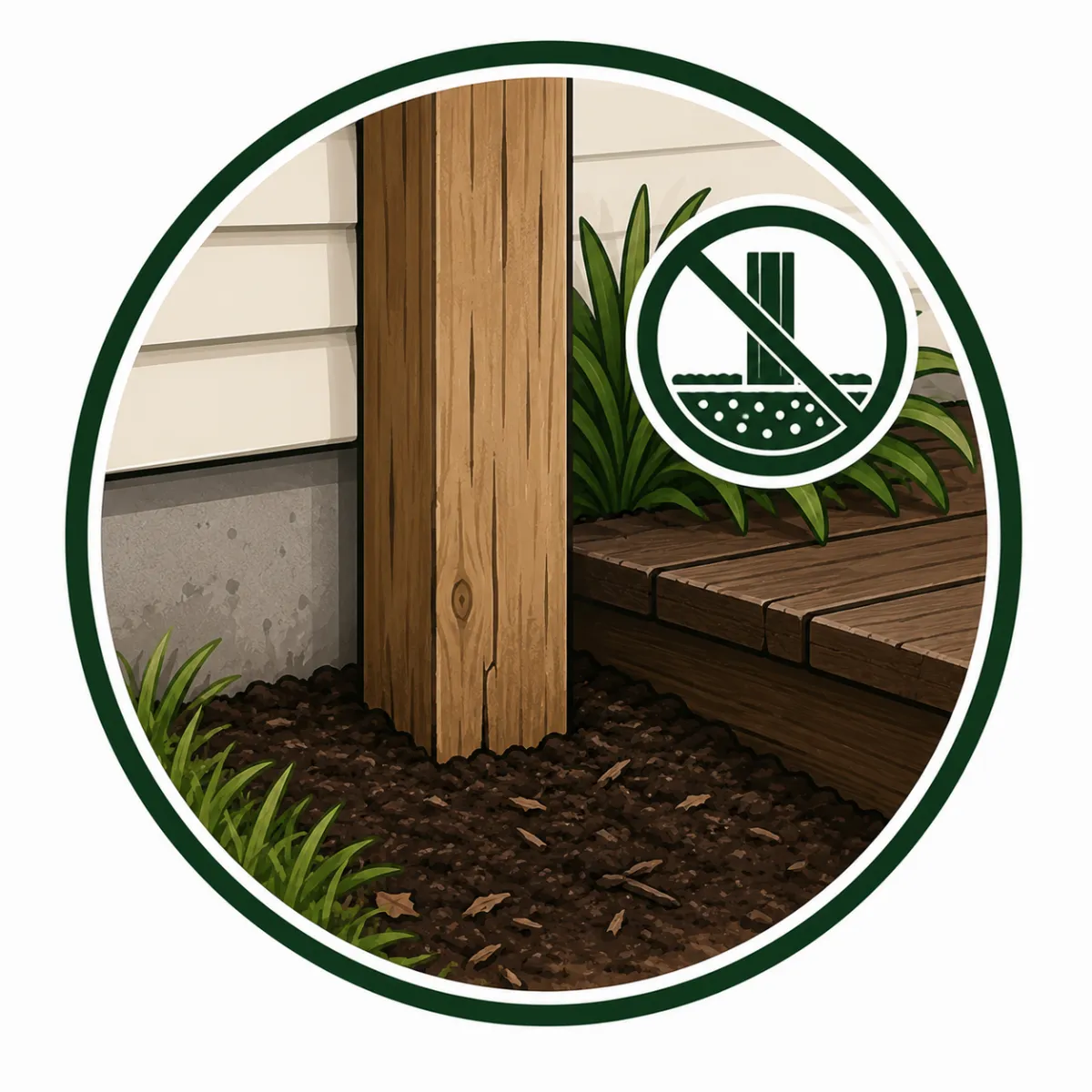
Timber-to-Soil Contact
Deck posts, pergolas, fence palings, landscaping timbers and untreated timber in direct contact with the soil provide termites with easy access into a structure.
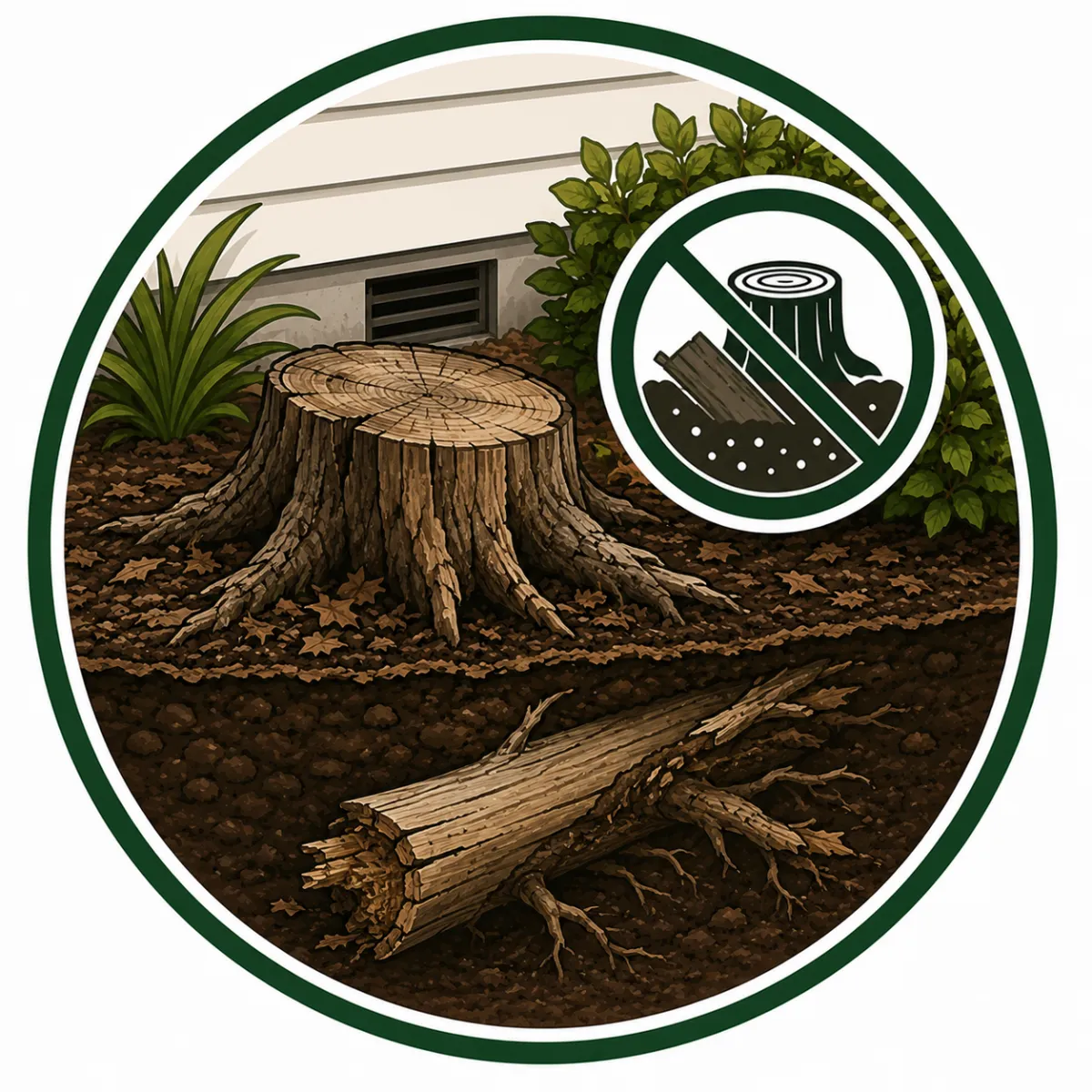
Tree Stumps & Buried Timber
Old tree stumps, buried roots and timber debris left in the ground can provide an ongoing food source for termites and support nearby colonies.
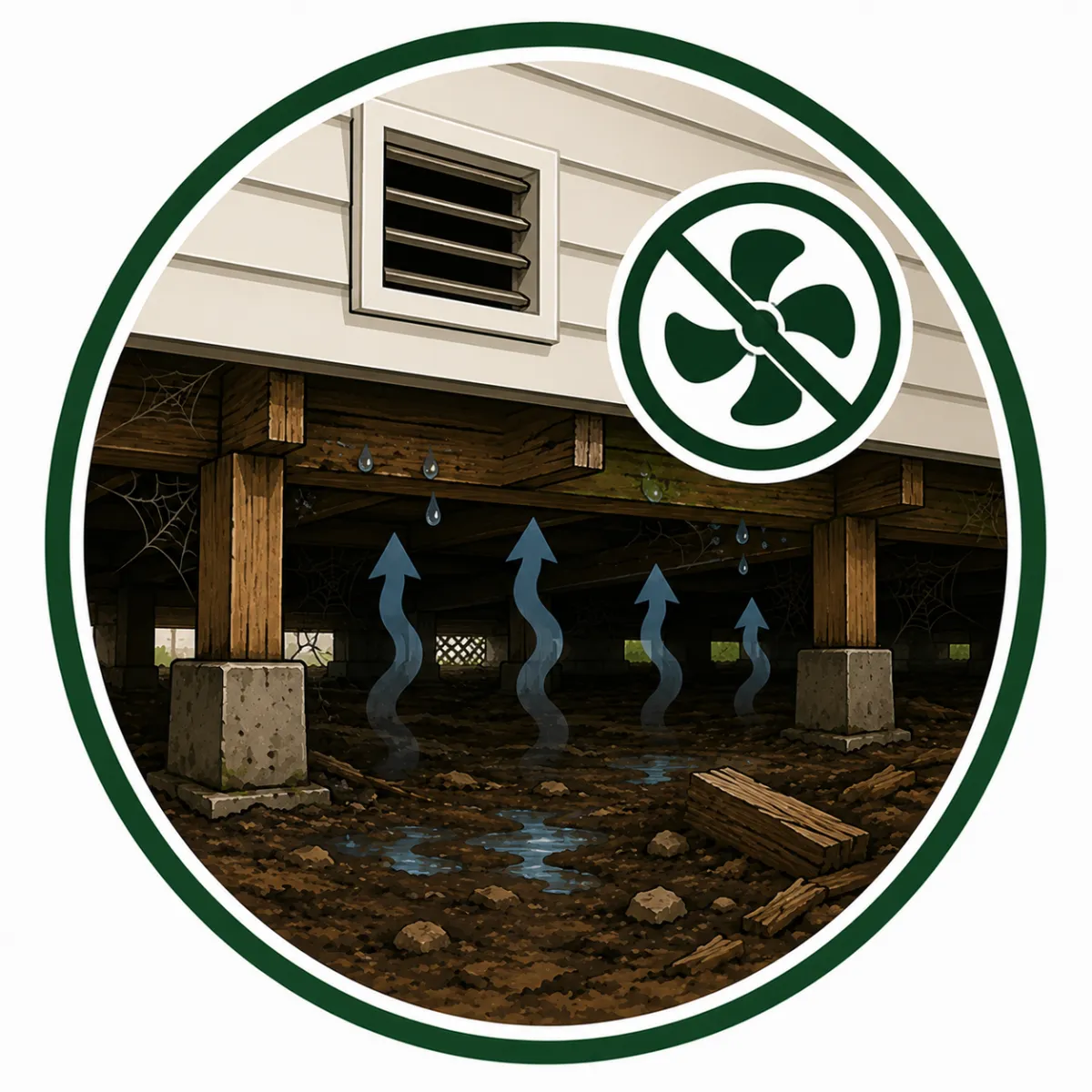
Poor Ventilation
Poorly ventilated subfloors and roof voids can trap moisture, creating favourable conditions for timber decay and termite activity.
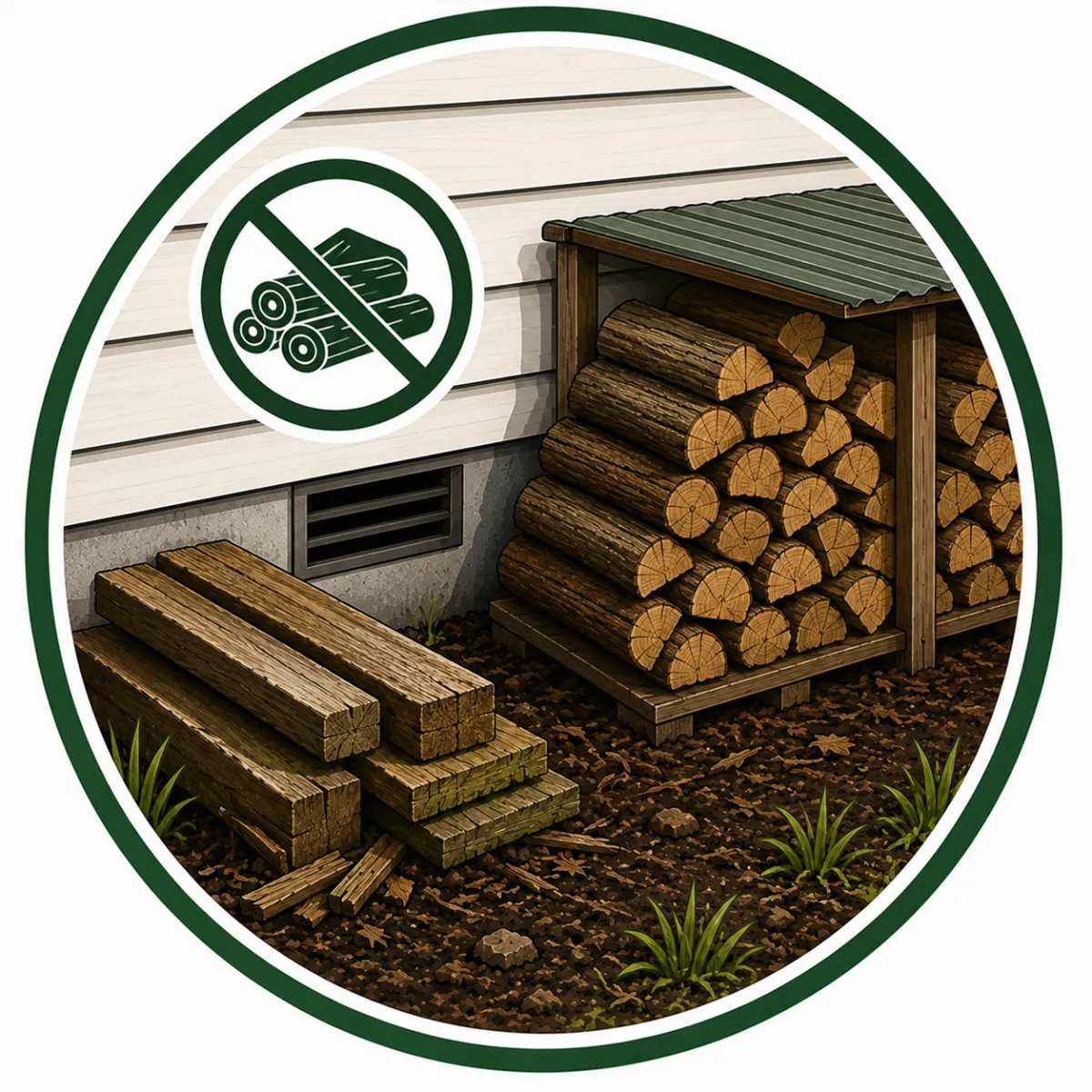
Stored Timber & Firewood
Firewood, timber offcuts, cardboard and other cellulose materials stored against the house can attract termites and provide concealed pathways to your home.
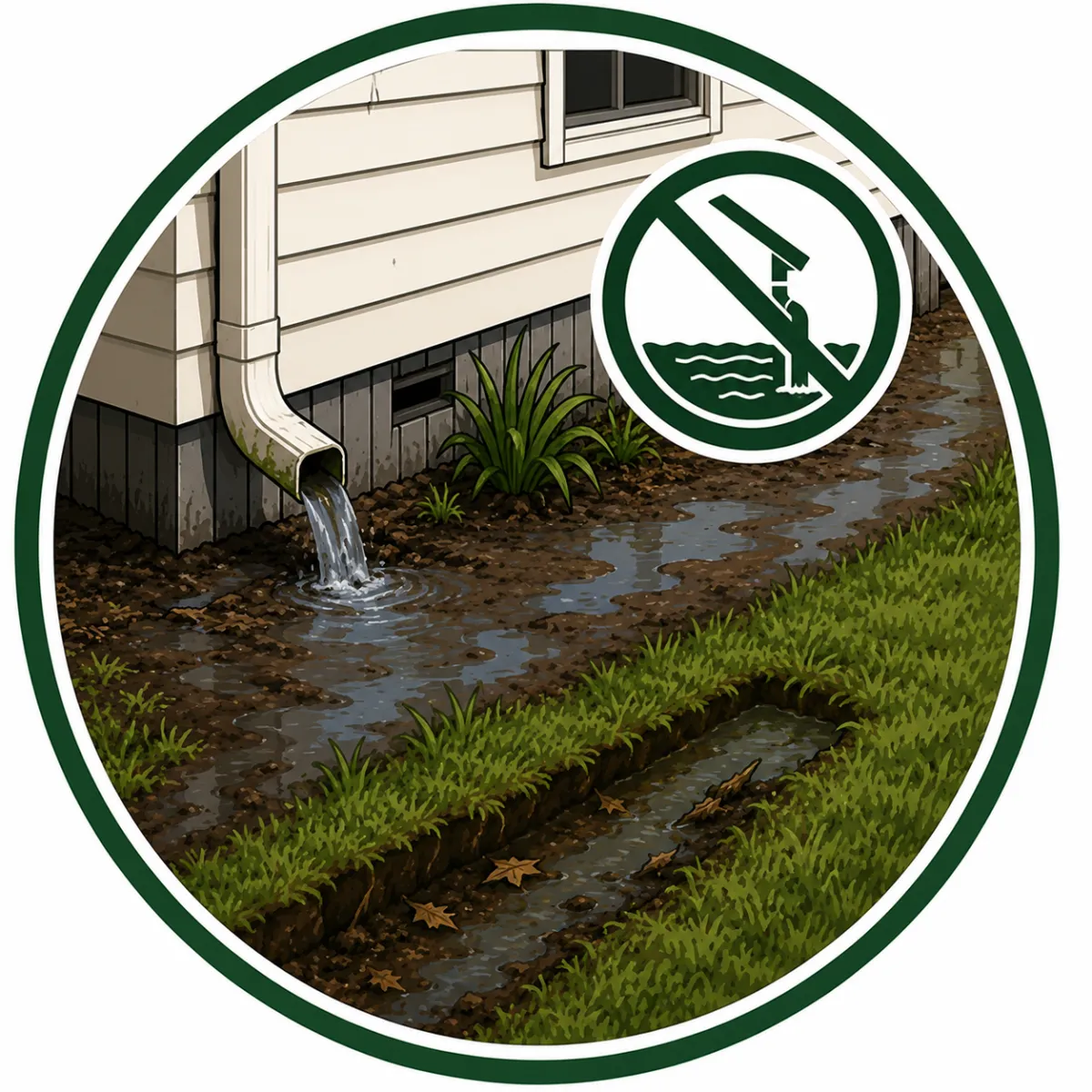
Poor Drainage
Water pooling around foundations, blocked drains and downpipes discharging near the house increase soil moisture and make the surrounding environment more attractive to termites.
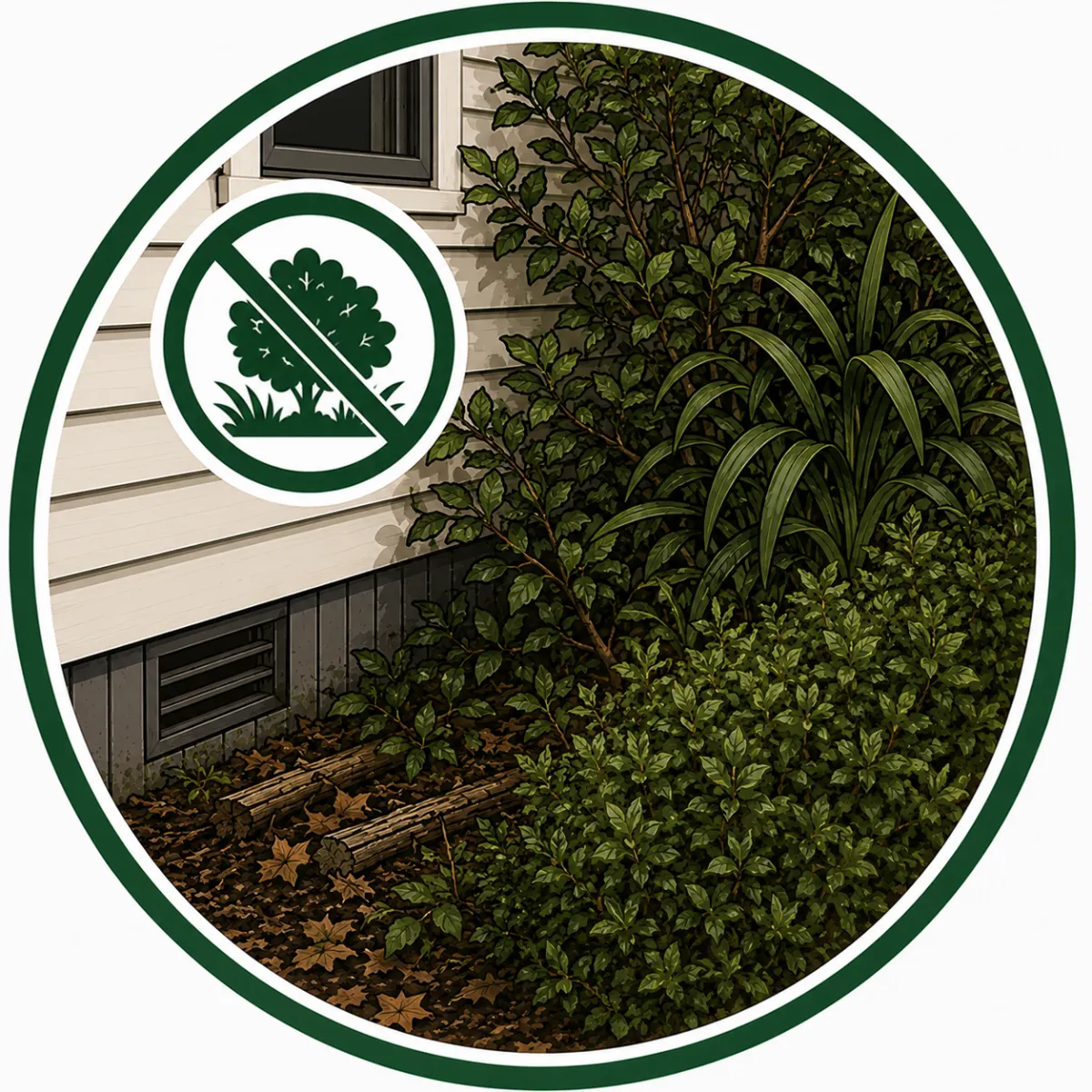
Dense Vegetation
Shrubs, climbing plants and overgrown gardens against external walls can conceal termite shelter tubes and make routine inspections more difficult.
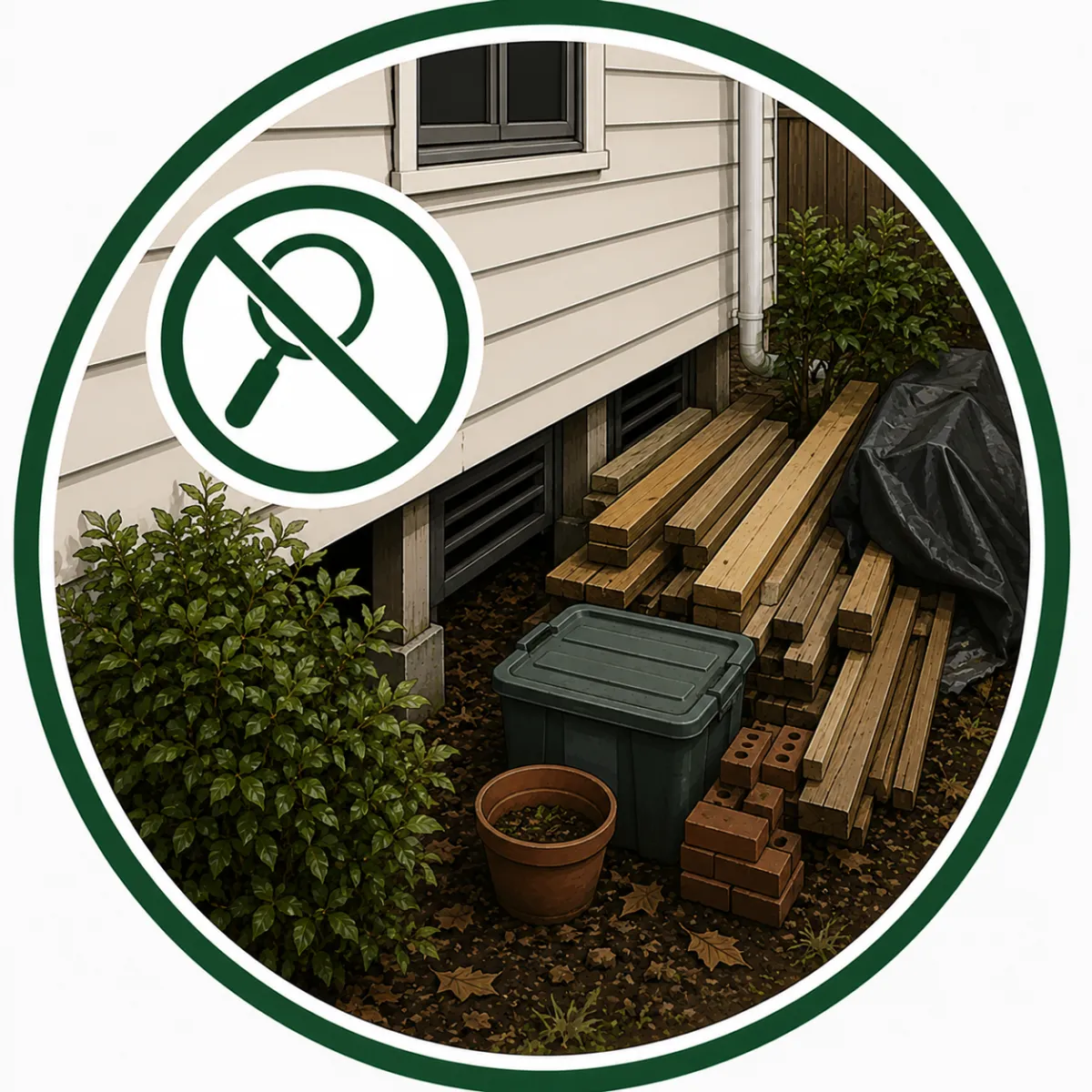
Obstructed Inspection Zones
Paving, render, garden edging and landscaping that covers slab edges or weep holes can reduce visibility and provide concealed entry points for termites.
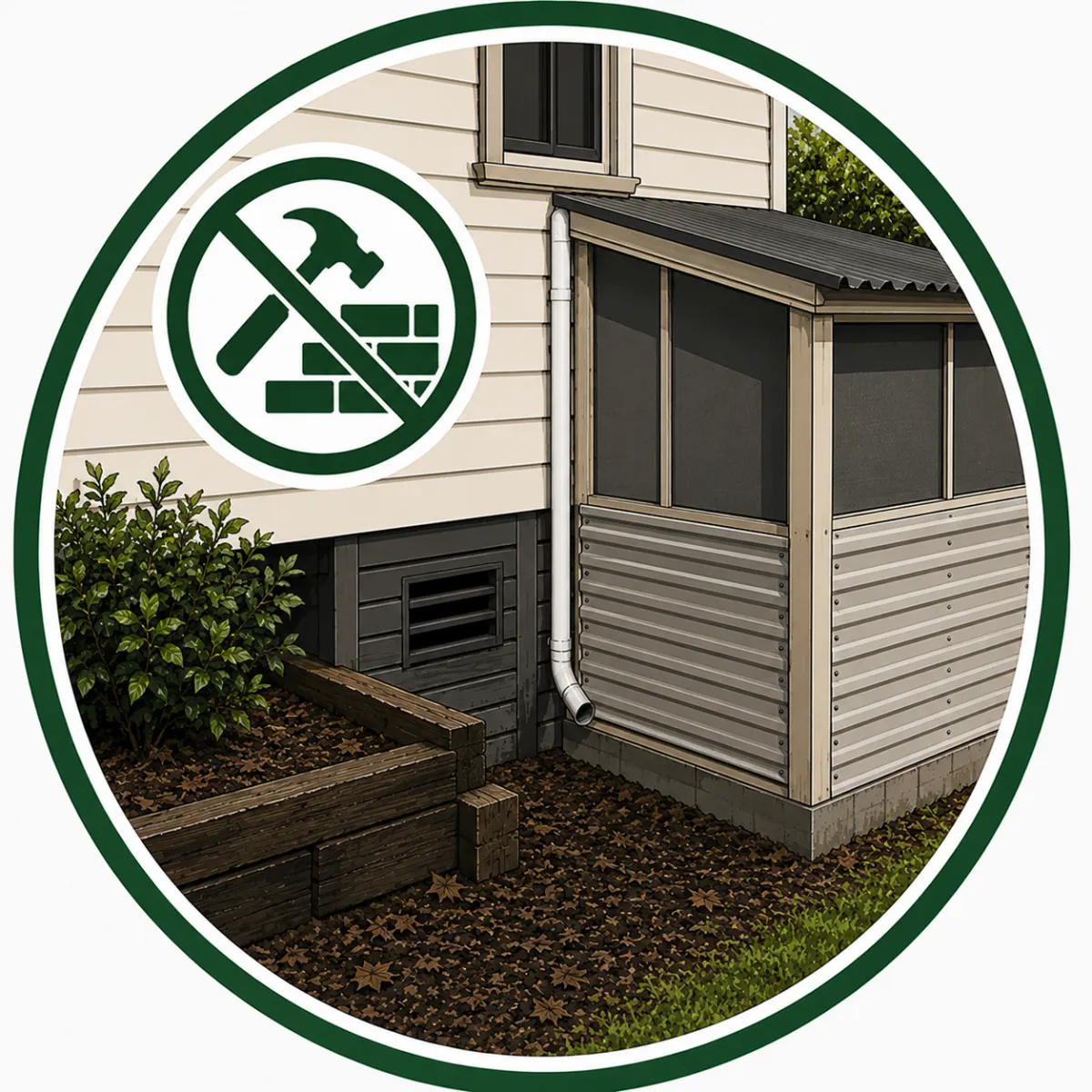
Building Alterations
Extensions, renovations, new garden beds, retaining walls and plumbing changes can compromise existing termite management systems if they are not properly considered.
"Many of the conditions that increase the risk of termites can be corrected through regular property maintenance. During every termite inspection, we not only look for termites but also identify practical steps you can take to help reduce the risk of future infestations."
Unseen damage could cost you thousands.
Get a comprehensive, five-star rated inspection to protect your home.
FREQUENTLY ASKED QUESTIONS
How often should I have a termite inspection?
The relevant Australian Standard recommends that homes in areas where termites are known to occur, such as Brisbane, be professionally inspected at least every 12 months. Properties with a higher risk of termite activity or a history of infestations may benefit from more frequent inspections.
Can termites be found if there are no visible signs?
Yes. Termites often remain hidden behind walls, beneath floors and inside roof timbers, which is why they are commonly referred to as "silent destroyers". During an inspection, we use professional techniques and equipment to identify evidence of termite activity that may not be obvious to homeowners. However, no visual inspection can detect termites in areas that are inaccessible or concealed.
What happens if termites are found during the inspection?
If active termites are identified, we'll explain the extent of the activity, discuss appropriate treatment options and recommend a termite management plan tailored to your property. Our goal is to eliminate the termite activity while helping reduce the risk of future infestations through ongoing inspections and professional termite management.
What does a termite inspection include?
A professional termite inspection involves a systematic visual assessment of accessible areas of your property, including the interior, exterior, roof void and subfloor (where accessible). We look for active termites, evidence of termite damage, and conditions that may increase the risk of termite attack, such as excessive moisture, timber-to-soil contact and poor drainage. You'll also receive a detailed written report with our findings and recommendations.
Can termites damage brick homes?
Yes. While termites don't eat bricks or concrete, they can enter through small cracks, construction joints and service penetrations to access the timber inside your home. Brick homes are just as susceptible to termite attack as timber-framed homes.
Does home insurance cover termite damage?
In most cases, no. Termite damage is generally considered preventable through regular inspections and maintenance, so it is typically excluded from standard home insurance policies. Always check the terms and conditions of your individual policy.
Do I still need a termite inspection if I have a chemical barrier?
Yes. A chemical termite barrier is an important part of protecting your home, but no termite management system can guarantee termites will never attack a property. Regular termite inspections remain essential to monitor the effectiveness of your termite management system and identify any new risks.
What are the signs of termite activity?
Some common signs include:
- Mud shelter tubes on walls, piers or foundations
- Hollow-sounding timber
- Bubbling or peeling paint
- Tight-fitting doors or windows
- Soft or damaged timber
- Discarded termite wings
- Live termites
- Unexplained cracks in walls or timber
If you notice any of these signs, arrange a professional termite inspection as soon as possible.
Can you inspect roof voids and subfloors?
Yes, where it is safe and accessible to do so. Roof voids and subfloors are important inspection areas because they often provide ideal conditions for termite activity. If access is restricted or unsafe, we'll explain the limitation in your inspection report.
What areas cannot be inspected?
A visual termite inspection is limited to areas that are safe and reasonably accessible. Furniture, stored items, wall linings, floor coverings, insulation, locked rooms and other obstructions may restrict the inspection. Any limitations will be clearly documented in your report.
Should I have a termite inspection before buying a home?
Absolutely. A pre-purchase timber pest inspection can identify evidence of termite activity, termite damage and other timber pests before you commit to purchasing a property. It provides valuable information that may influence your buying decision or future maintenance plans.
How can I reduce the risk of termites?
While no property can be made completely termite-proof, you can reduce the risk by:
- Having annual termite inspections
- Fixing leaks and improving drainage
- Keeping garden beds below weep holes
- Removing timber-to-soil contact
- Storing firewood away from the house
- Maintaining clear inspection zones around the home
- Installing and maintaining a professional termite management system
Why choose Booma Pest Control for your termite inspection?
Booma Pest Control is a locally owned and operated family business based in Deagon, proudly servicing Brisbane Northside and surrounding areas. With more than 20 years of experience solving pest, environmental health and public health challenges, we provide thorough termite inspections, detailed reports and honest, practical advice to help protect your biggest investment.
READY FOR PEST CONTROL
Contact Booma Pest Control to book your pest or termite service today.
PMT 14286925
QBCC 15557599


Copyright 2026. Booma Pest Control. All Rights Reserved.